
Not six services. One Chief People Officer, on call.
Recruit. Train. Retain.
or call 0414 644 463

Think of me as your Chief People Consultant, not a vendor you hire for one job and never hear from again.
Most people start with one thing and stay for the rest. Here's how it actually works.
Recruit
Finding the right person.
Not just any person.
For most people, this is where we start working together.
Eighteen years working exclusively in medical, health and beauty means I'm not starting from scratch.
Real industry contacts.
A live candidate database built across dozens of practices, and a process that goes past a resume and a gut feeling.
I don't do drop-and-run placements.
I build for fit, the right person for your team and your patients, not just a warm body to fill a roster gap.
And once someone's placed, I don't disappear.
Train
Contracts, policies and people who actually know their roles
This is where a lot of practices are quietly exposed.
Employment contracts pulled from an old template.
Policies nobody's looked at in years. New hires handed a folder on day one and left to figure out the rest.
I make sure contracts are current and defensible. Policies reflect how your practice actually runs, not generic boilerplate.
Onboarding means people stick around instead of walking out the door in the first six months.
Employment law changes often, so think of this as an ongoing safeguard, not a one-off fix.
Specific situations always get advice tailored to your business, not a template answer.
Retain
The ongoing support that stops HR fires from starting
This is the part most people don't expect when they first bring me on, and the part they value most once they're in it.
I'm a standing line, someone to call when a staff situation gets complicated, a leave request feels off, or a conversation with a team member needs handling properly.
That includes the conversations you're avoiding.
Not by having them for you, but by coaching you through them, so your team hears it from you, not a stranger.
Regular pay and compliance checks, so contracts don't quietly go out of date.
And a genuine sounding board for decisions that don't have an obvious right answer.
Trusted by Clinics Across Australia
"Lizzy has been instrumental in ensuring employee retention.
We are proud to boast one of the most long standing teams in the industry"

Susan Hart, Business Owner
"Lizzy is a problem solver with strong business acumen who can think laterally to develop innovative and proactive solutions to HR issues. She always has my back and she is our rock and support. Lost without her. "

Sean Abel, Managing Director, DermaEnergy
"Lizzy has been a great assistance to our practice. She has a wealth of knowledge and understanding of business in general and HR in particular. "
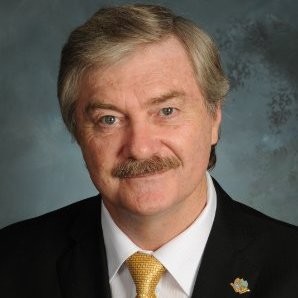
John Flynn, Practice Owner
Frequently Asked Questions
Do I need to be actively recruiting to work with you?
No. Recruitment is often the first conversation, but it's rarely the only one. Most people who work with me long-term stay on for the HR support, contracts and policy work in between hires. Think of it as having someone in your corner, not just someone you call when a role's vacant.
What if I only need one thing sorted, like a contract reviewed?
That's fine. Some people start with a single piece of work, a contract, a policy update, and that's genuinely all they need. Others stay on for more. Either way works.
How is this different from a generic HR consultant or recruitment agency?
I work exclusively with medical, health and beauty practices, so I understand the practitioner-turned-manager reality, the patient-facing culture, and how a staffing decision affects trust with your actual patient list. Eighteen years in this specific industry means I've usually seen your exact problem before, not a version of it.
Do you come on-site, or is everything remote?
Both. Many people prefer having me on-site for training, policy rollouts and performance conversations, in person rather than over email. Where remote works better, that's fine too.
What happens after a role is filled? Do you disappear?
No. Placement usually isn't the end of the relationship, it's the start of one. Questions about how a new hire is settling in, a leave decision, a staffing headache six months down the track, that's all part of how I work with people over time.
I've been burned by generic HR advice before. How do I know this will be different?
Fair concern, and a common one. Generic advice tends to fail because it wasn't built for how a practice actually runs. Everything here is grounded in nearly two decades working inside this exact industry, not a copy-paste template.
I genuinely don't have time to bring on a new provider right now.
Understandable, and worth saying: most people I work with are just as stretched. A first conversation doesn't commit you to anything, and it costs nothing. Sometimes the fix is having someone else carry part of the load, not adding more to your own plate.
Where are you based, and do you work outside Sydney?
I'm based in Sydney's Eastern Suburbs and work with practices across Australia, on-site where that's useful, remotely where it isn't.
Let's Get You On The Right Path
QUICK LINKS
LEGAL
FOLLOW US



© Copyright 2026. Boots & All. All Rights Reserved.